-
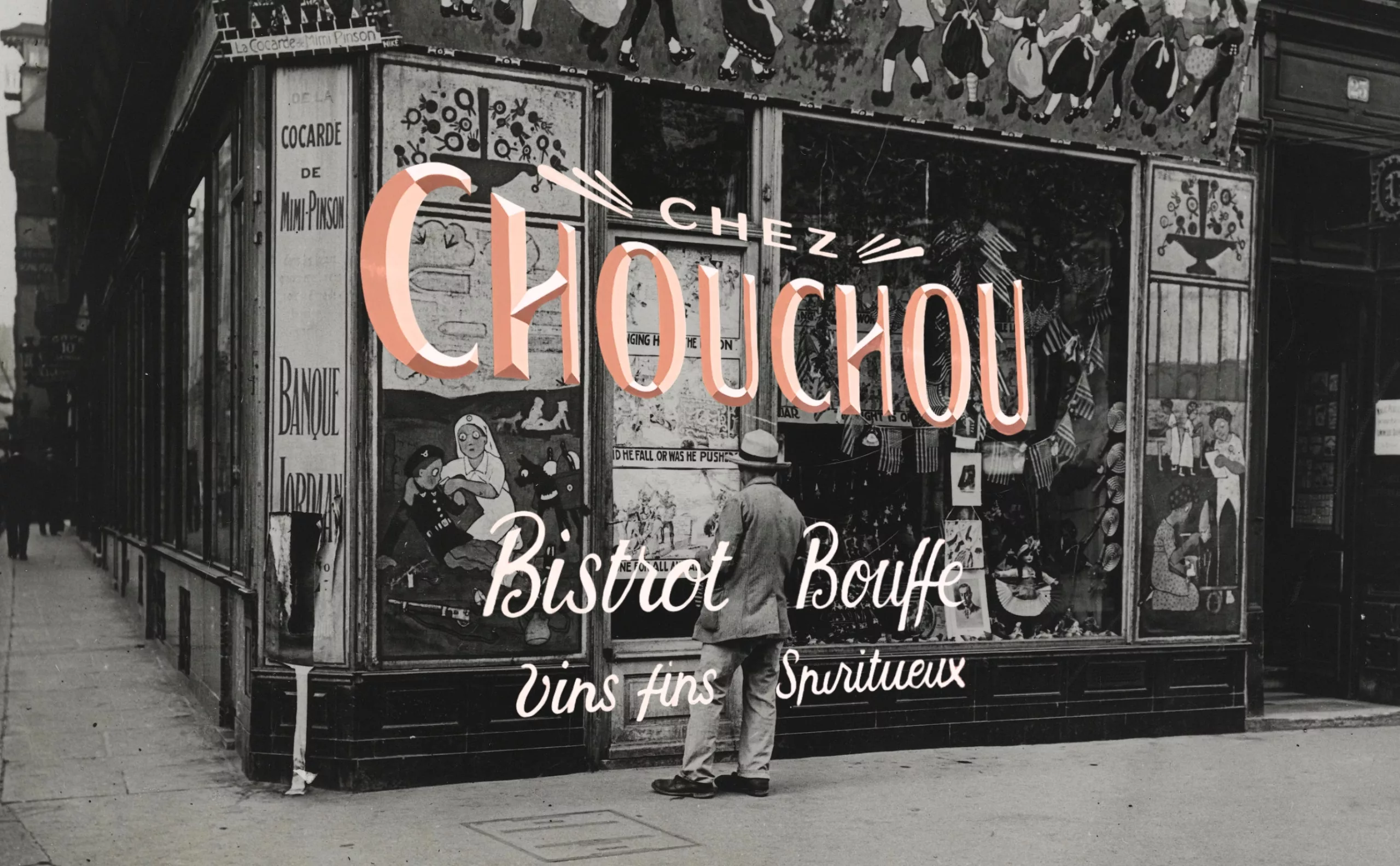
Sign painters make cities glow up
After serving for several centuries as the standard for decorating our storefronts, hand-painted lettering fell into obscurity. It has been making a colorful comeback over the past decade or so, and today it is a symbol of authenticity, handcrafted quality, craftsmanship, luxury, and expertise for the shops that display it.
-
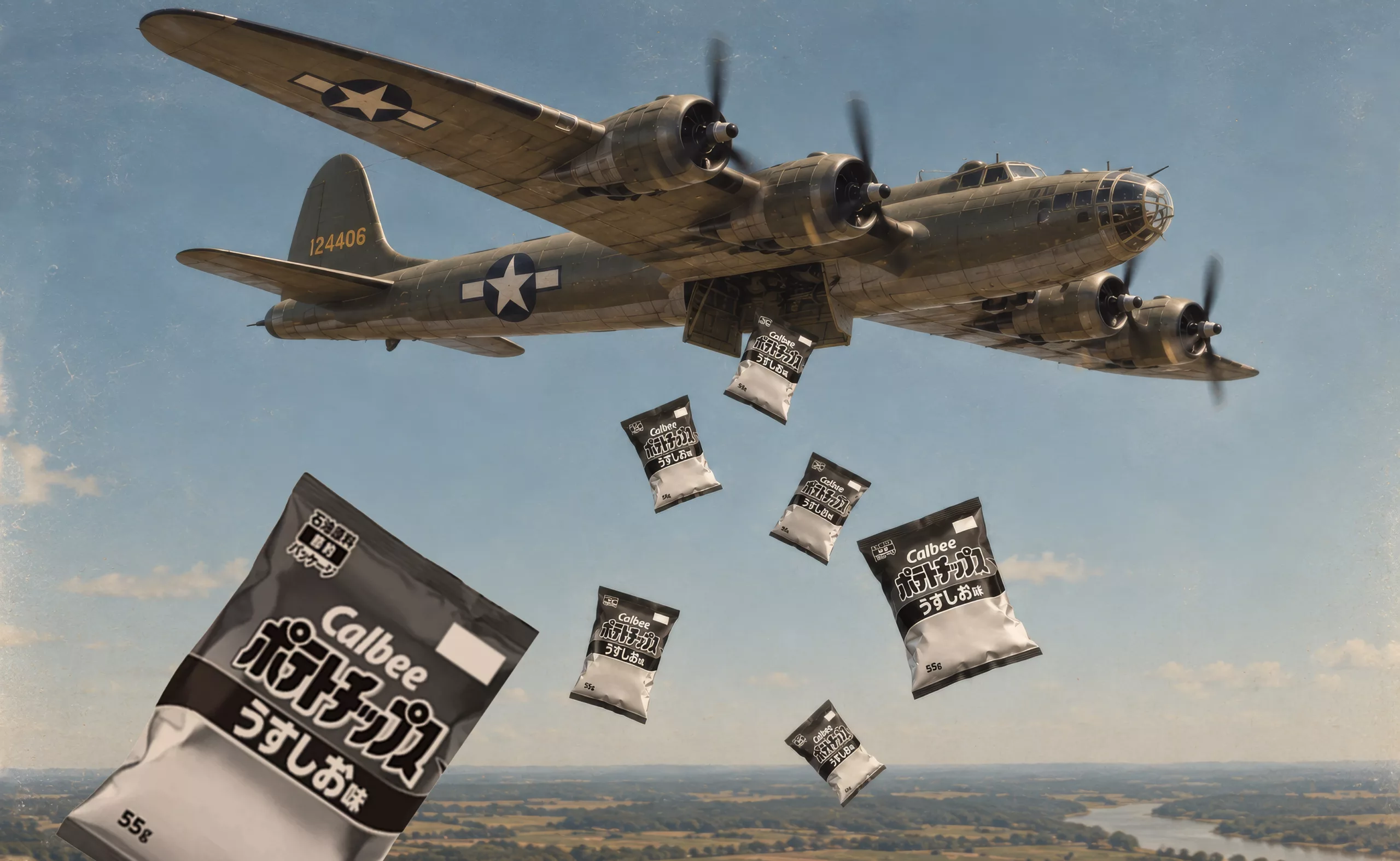
How does war affect design?
The essence of design is to respond to a constraint and to create in the most efficient way possible. Sometimes, however, constraints do not come from the client but from a shortage of raw materials. War leads to numerous shortages, from wood during the world wars to the current shortage of gasoline, the industry has had to—and has been able to—adapt to reinvent the aesthetics and functionality of everyday objects.
-
3 questions for Matthieu Bernard: Thinking of real estate as a brand.
What if a building were conceived as a brand? Matthieu Bernard reflects on the evolution of real estate marketing, where identity, storytelling and emotion are turning buildings into genuine experiences.
-
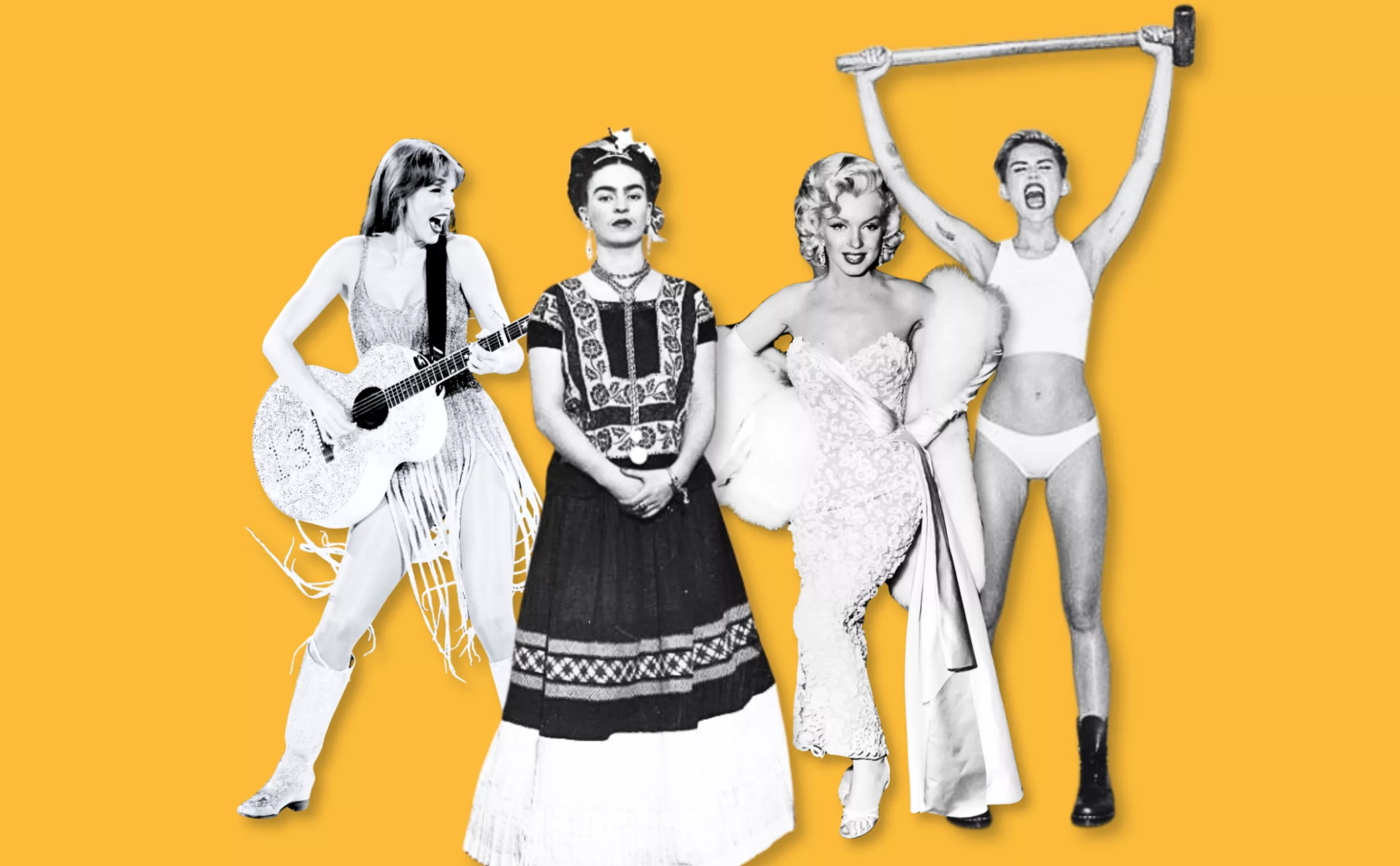
Iconic Branding: Building a Star Identity
Celebrities are a marketing product that can be manufactured or natural. Let’s take a closer look at celebrities’ personal branding and how they build their image or become icons, from Taylor Swift to Jul, via Marilyn. FIFA is removing logos, but making them more visible
-
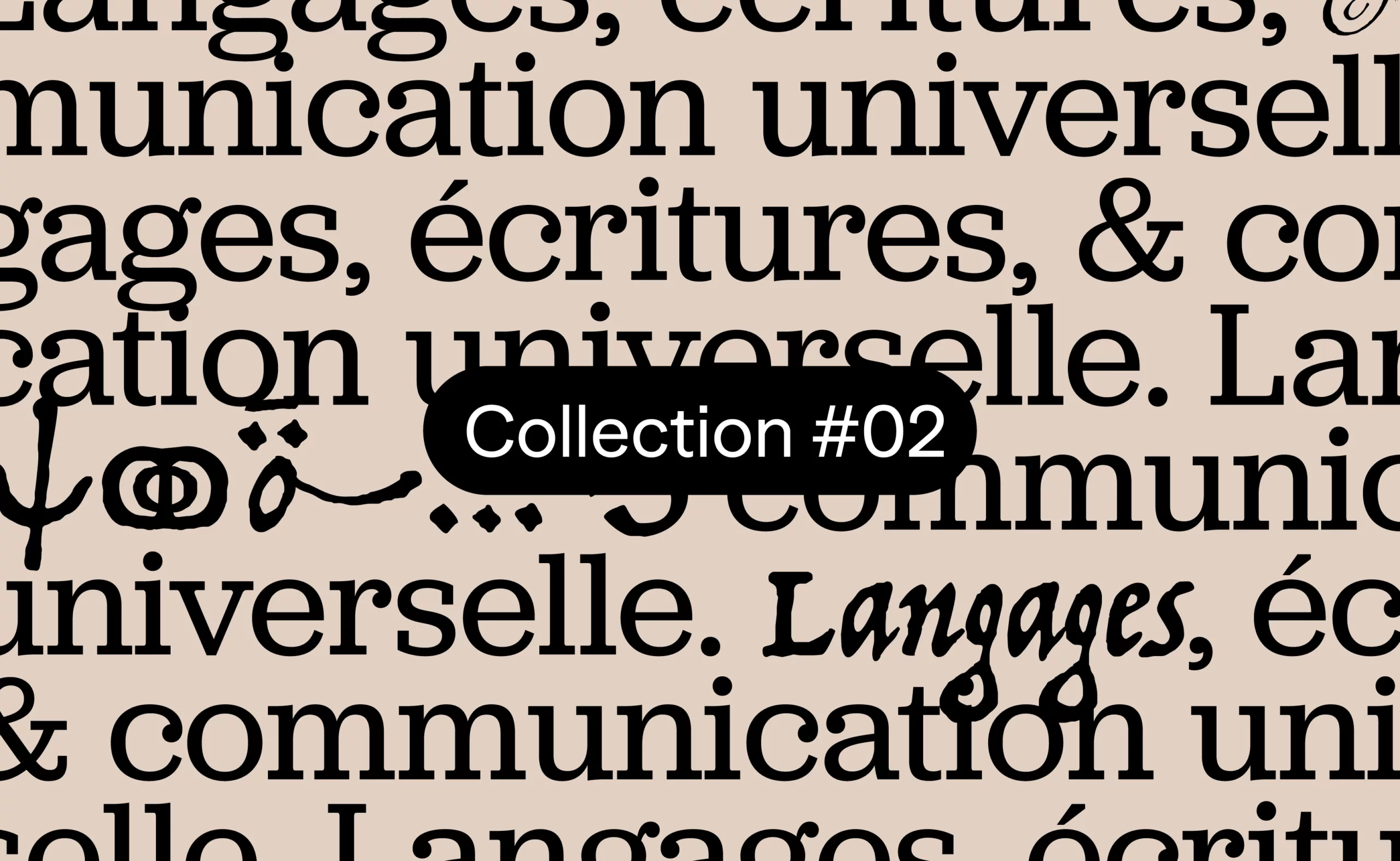
COLLECTION 2 — Languages, Writing Systems, and Universal Communication
Before words, there were drawings, then symbols. From Sumerian ideograms to emojis, humankind has constantly devised ways to communicate beyond the confines of language. Here are some of the most ingenious attempts to create a universal language.
Graphic perspectives
-

Josep Baqué and the Maximonsters
Discover the creative madness of Josep Baqué, creator of an incredible bestiary of whimsical monsters. Multicoloured furry beasts, one-eyed dragons, and horned pandas, to name but a few!
-

3 questions for Annie Bocel on typography and engraving
Graphéine met with Annie Bocel, who possesses the craft to create the first link in the typographic chain. From her workshop in Brittany, she answers our questions about type matrices, engraving and traditional techniques.
-
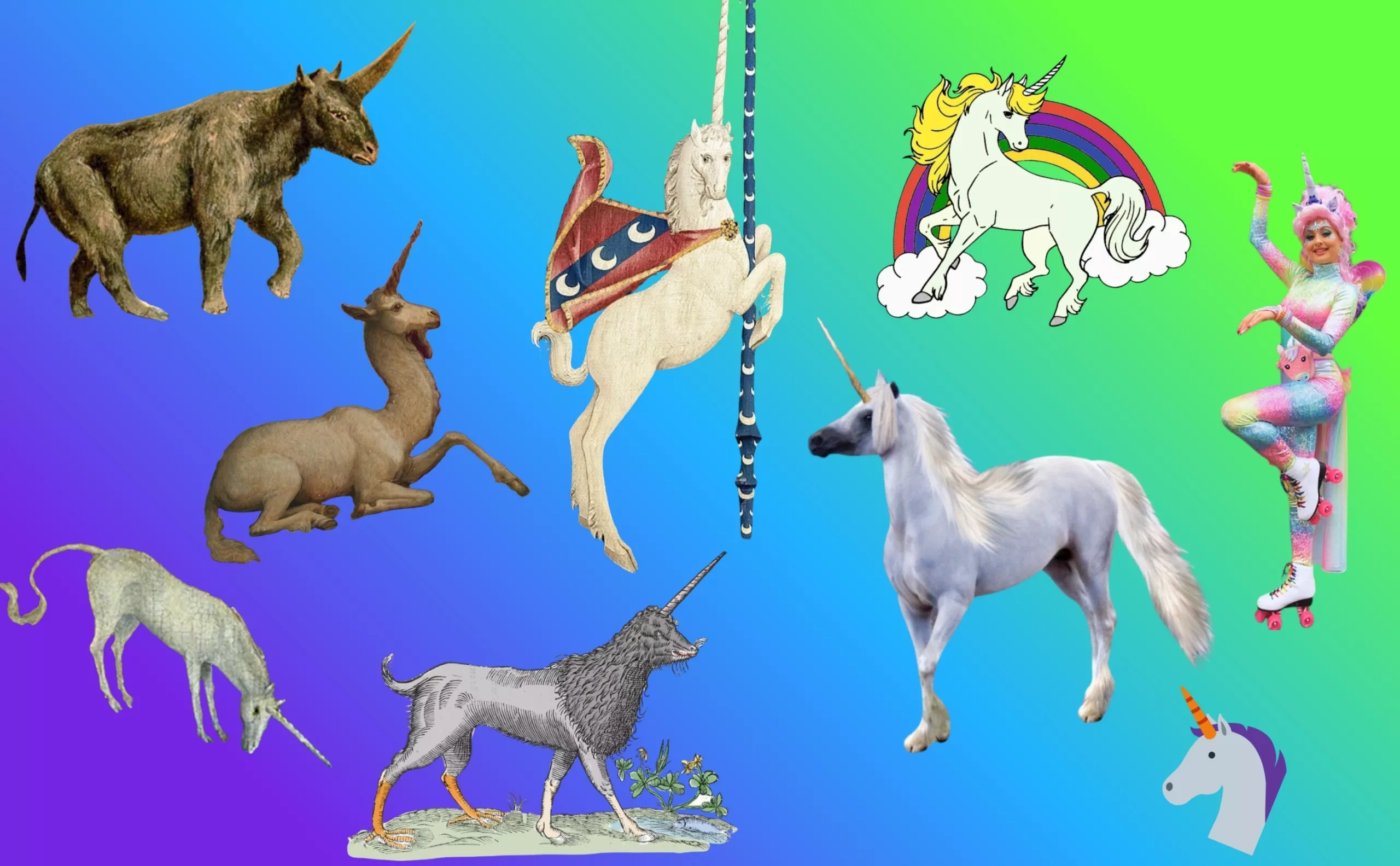
The Unicorn, from mythical fantasy to emoji 🦄
The unicorn, that legendary animal which never existed and yet never ceased to fascinate humanity, brings everyone together from the Bible to the LGBT+ community.
-
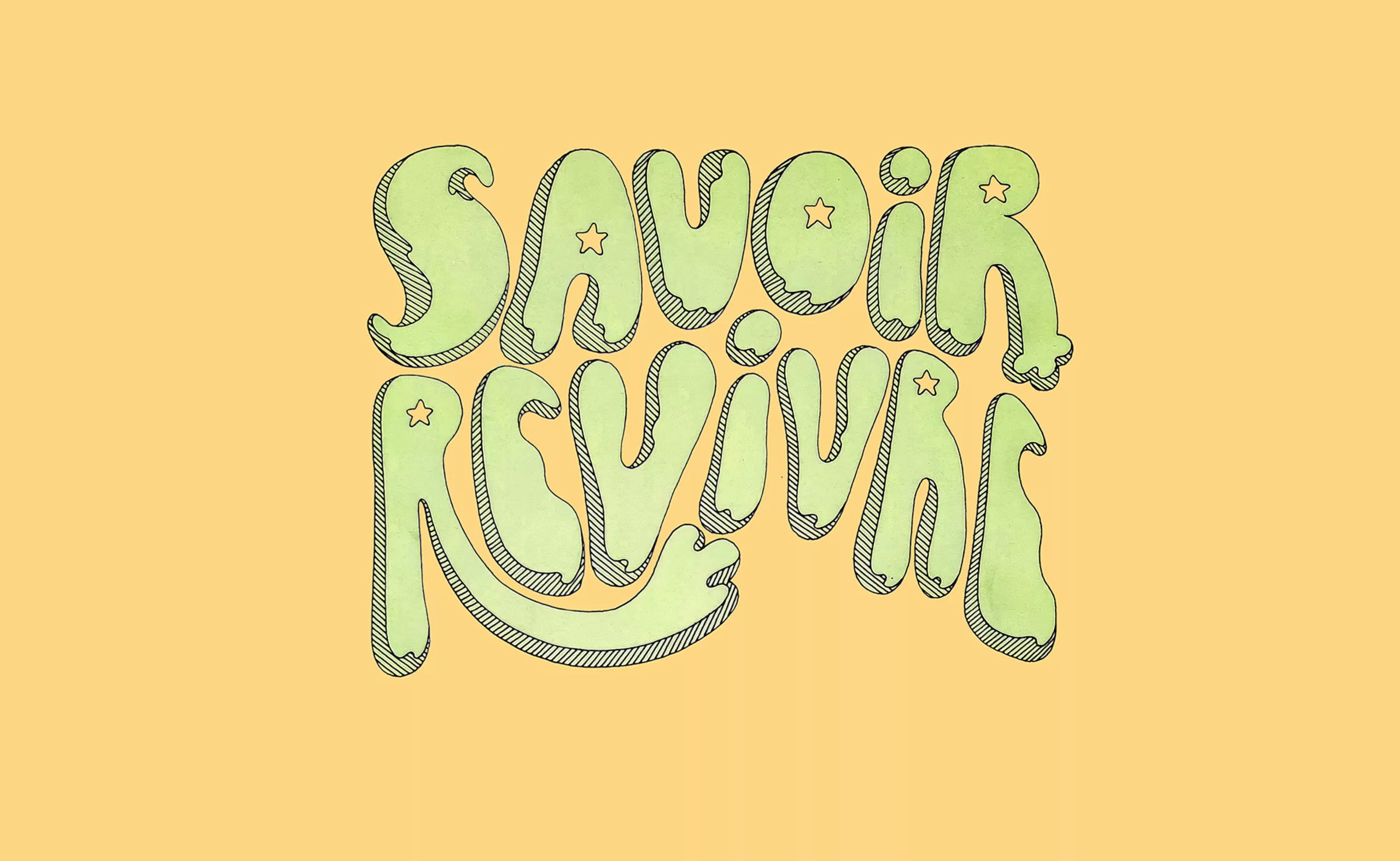
Jacques Massacrier’s “Savoir Revivre”
It is a cult classic, ahead of its time. For some, Jacques Massacrier’s “Savoir Revivre” was nothing short of a ‘bible’.
The first edition, published in 1973, was a literary phenomenon, selling over 500,000 copies and being translated into twelve languages. It was a book that captivated an entire generation.
History of Graphic Design
-

The cabinet of type punches, treasure of the Imprimerie Nationale
The Imprimerie Nationale holds a treasure of 500,000 typographic punches, the first links in the printing chain. Only one person on earth holds this expertise.
-

The futuristic world of Brantonne
In September 1951, René Brantonne began a collaboration with the publishing house Fleuve Noir that was to last more than 20 years (from 1951 to 1965), working on the legendary “Anticipation” series, for which he created 273 original covers.
-

When the Anatome gallery was the place to be for graphic design in Paris
For a long time, Paris did not have a specific space for exhibiting graphic design. It was not until the turn of the 20th century, in 1999, that Marie-Anne Couvreu and Henri Meynadier opened the Anatome gallery. For more than 12 years, they have taken up the challenge of promoting and bringing to life the diversity of graphic design. For a long time, Paris did not have a specific space for exhibiting graphic design. It was not until the turn of the 20th century, in 1999, that Marie-Anne Couvreu and Henri Meynadier opened the Anatome gallery. For more than 12 years, they have taken up the challenge of promoting and bringing to life the diversity of graphic design.




Discover
the portfolio
Graphéine supports brands that want to make design a driver of social and economic transformation, helping them meet the challenges of tomorrow. We believe that a brand is a powerful tool for creating fresh narratives, uniting imaginations and shaping desirable futures.
Most popular
-
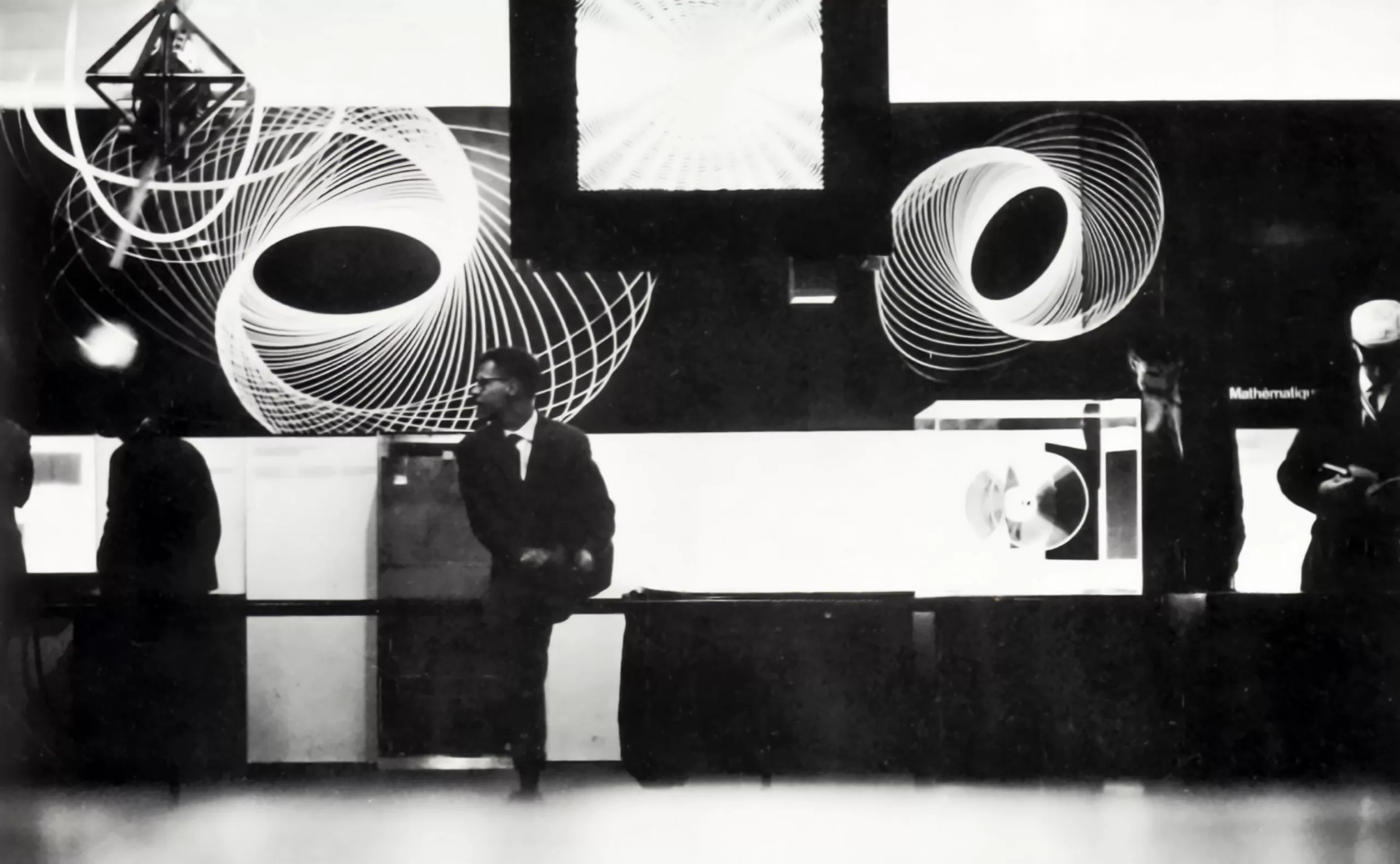
Josef Müller-Brockmann “swiss style”
Müller-Brockmann is one of the most influential graphic designers in the history. His work is always taught, studied and published. It is certainly the figurehead of Swiss graphic design (which also takes the name of international style). His work is influenced by Bauhaus and constructivism. Typography and geometry are predominant.
-
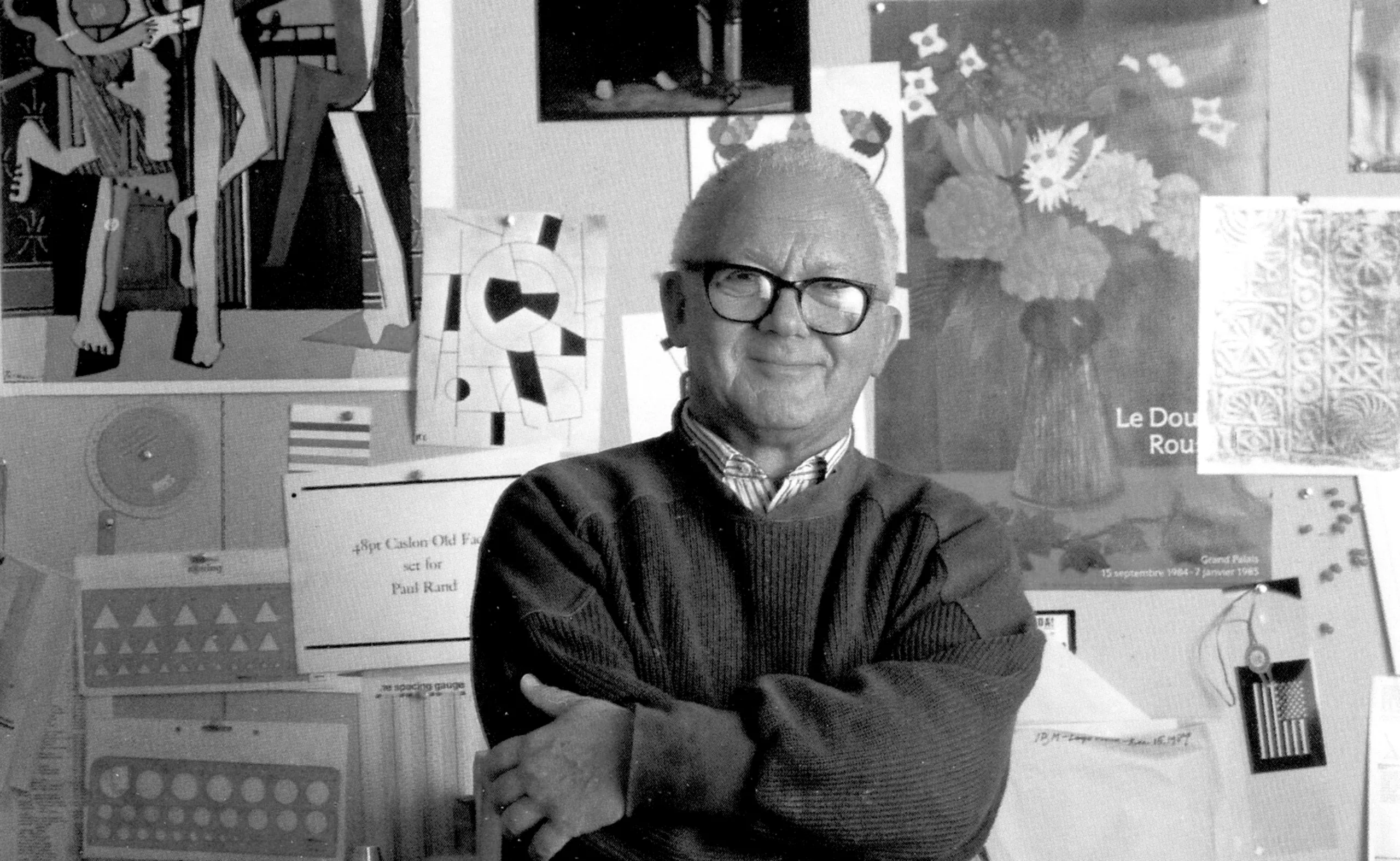
Paul Rand, everything is design!
In the 1950s, in the midst of the Cold War, Paul Rand transformed the use of graphic design and the face of American companies.
-
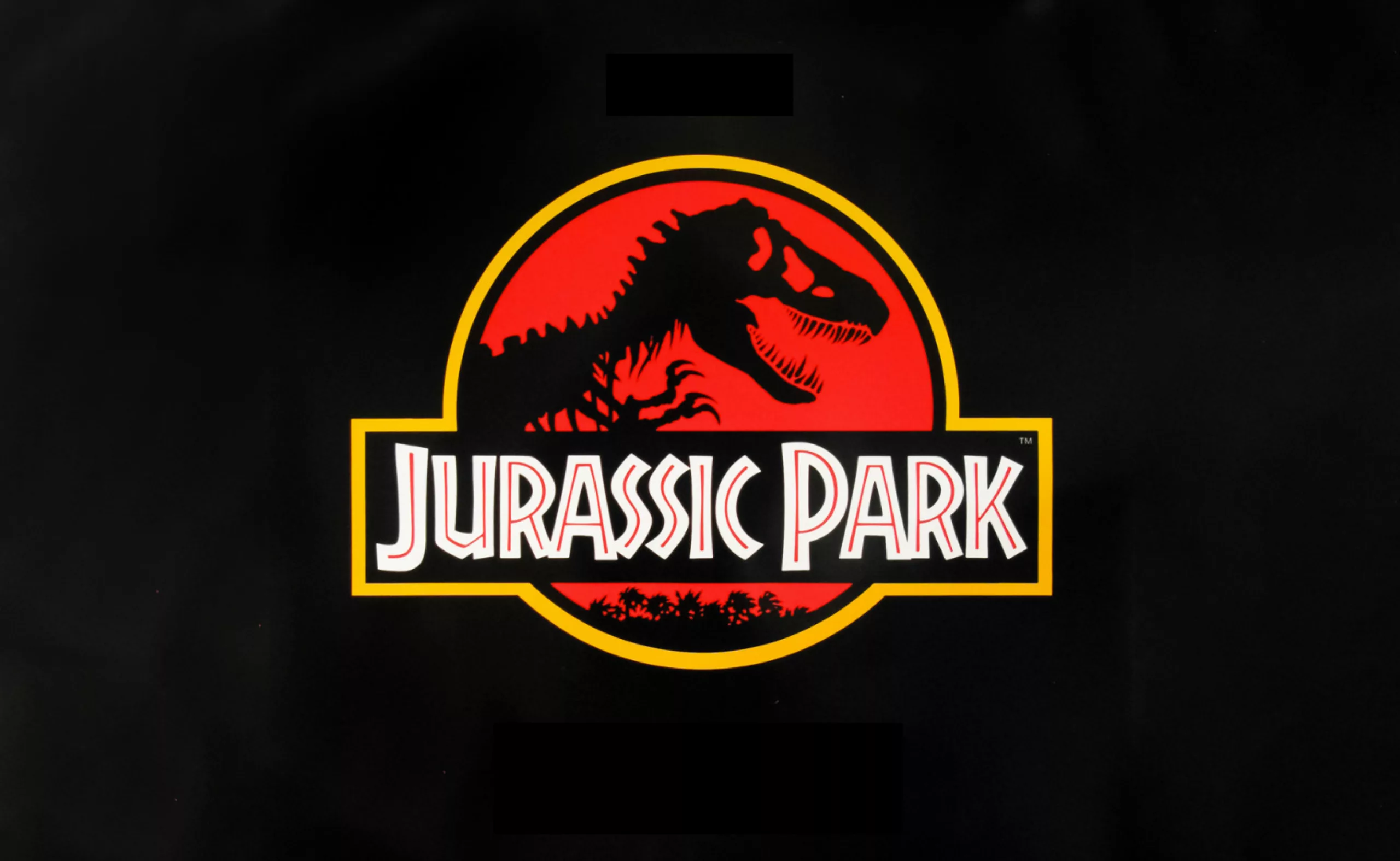
The story of the big bad Jurassic Park logosaurus
It took 68 million years to resurrect a T-rex, and almost as long to create the Jurassic Park logo. Here is his wicked adventure.
-
A short history of book cover design – 1/4
From codex to colour printing!
Here is the first part of this series of articles sweeping the evolution of book covers to the present day, through the most striking revolutions. -
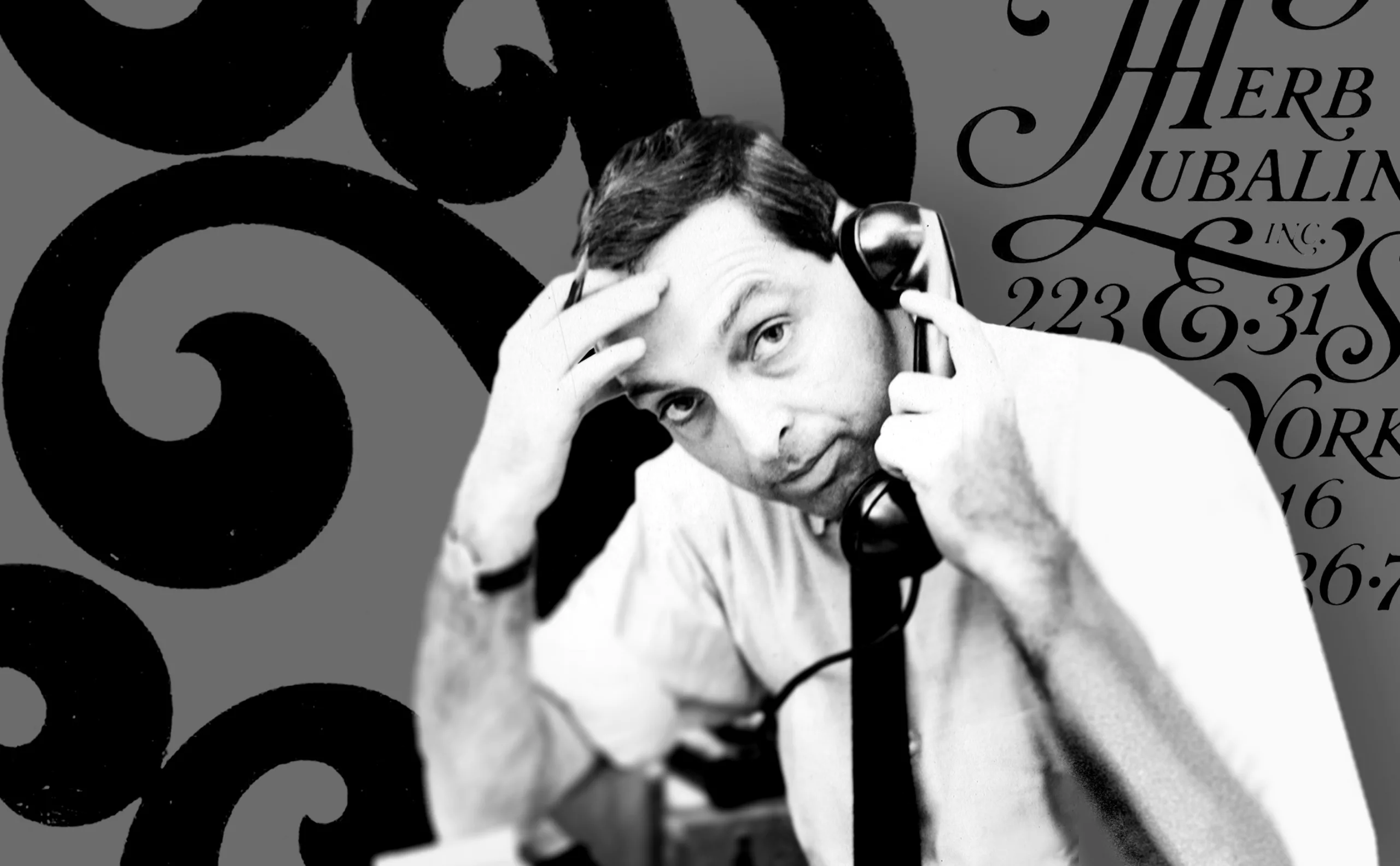
Herb Lubalin, the letter as an image
Herb Lubalin’s biography in pictures. In his 40-year career, Lubalin has revolutionized the landscape of American graphic design by composing images with text.
-
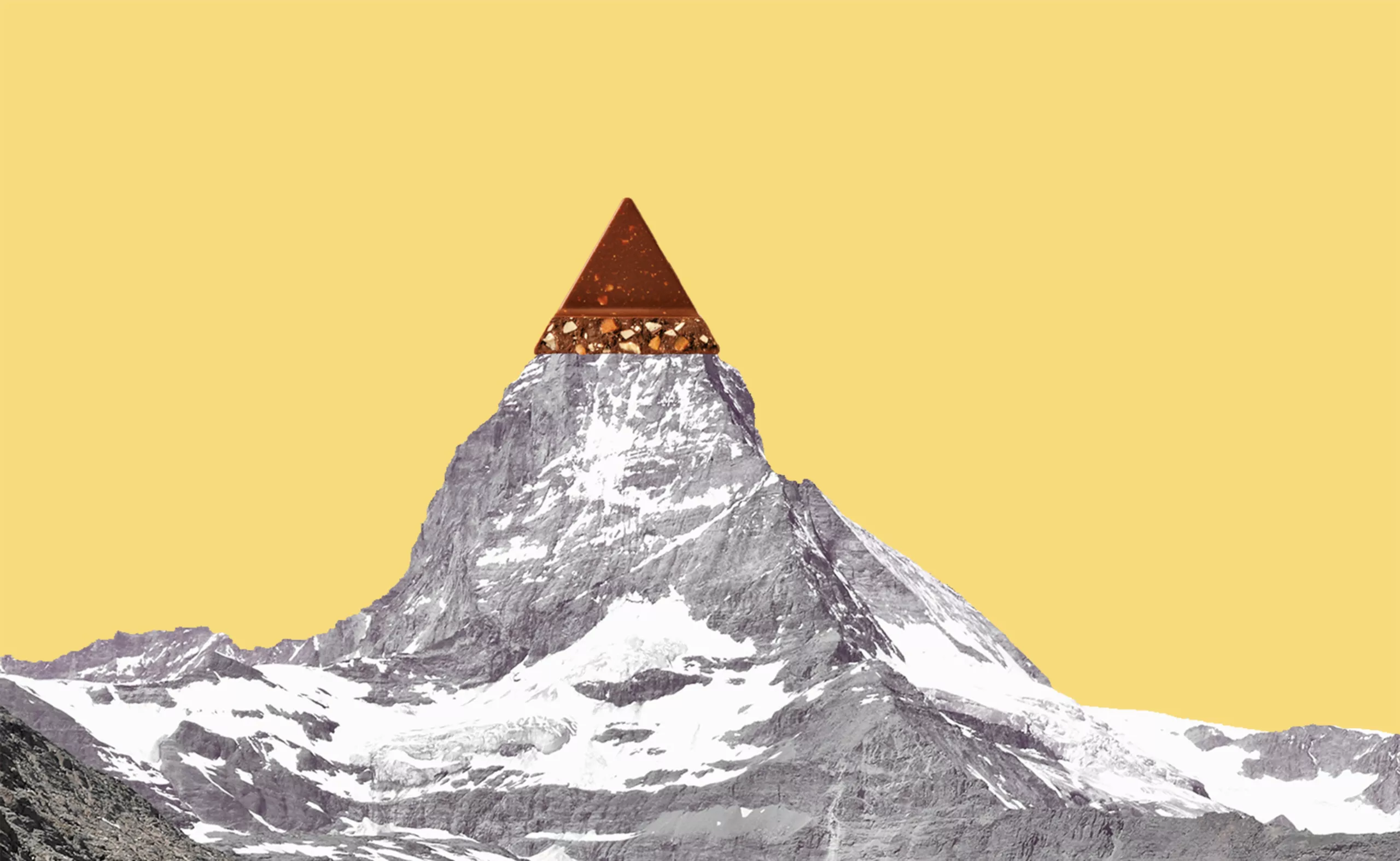
Toblerone’s new mountain: when packaging brands a territory
From Toblerone to Milka to feta cheese, brands mark their territory on their packaging and are sometimes caught up in the globalization game.
-
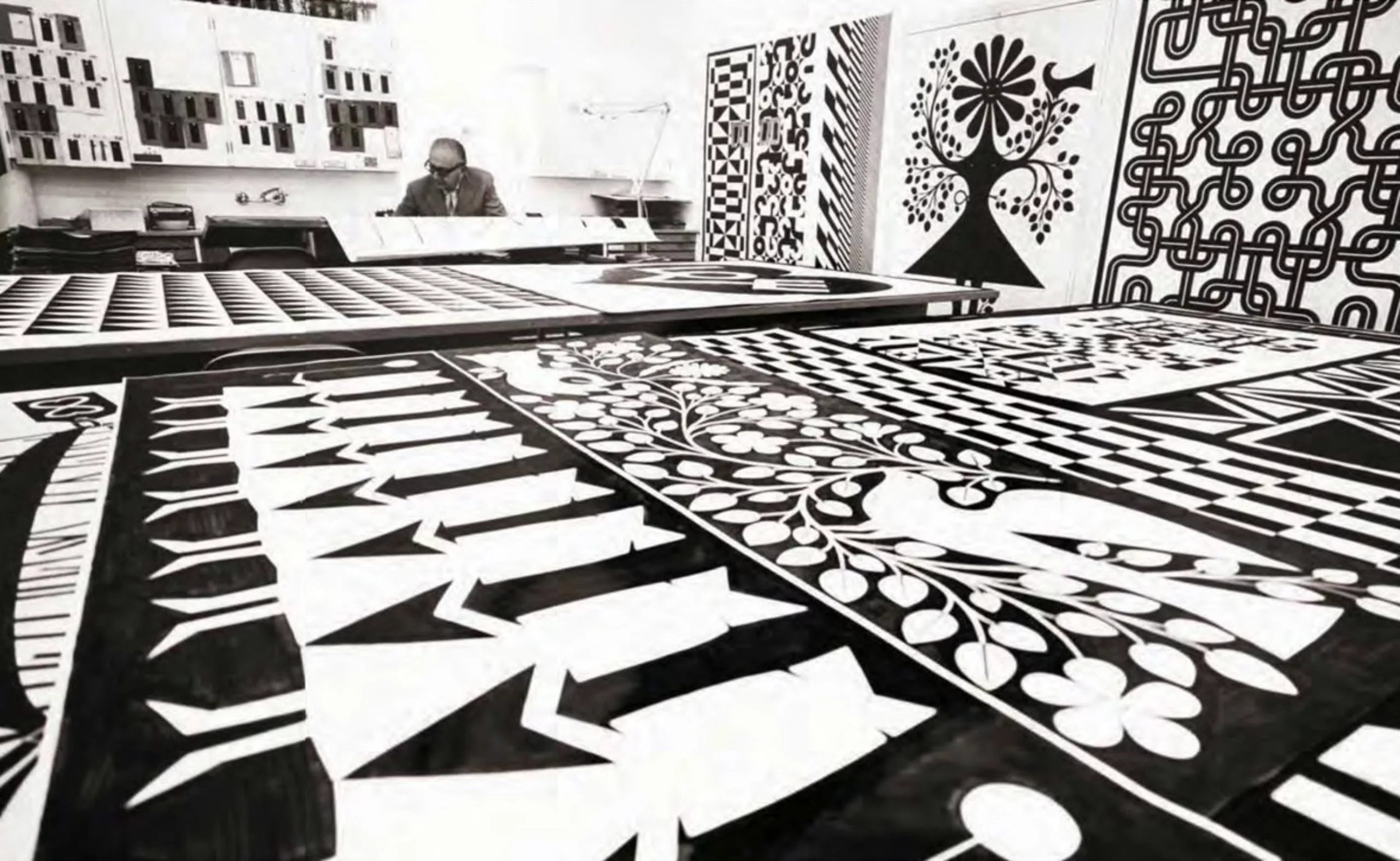
Alexander Girard, “the color-fool”
Designer textile, graphiste, designer de mobilier…. Rien n’est assez coloré pour cet Italo-Américain !
-

Branding for gig workers: crossed for struggle
From the raised fists of Weimar to feminist collages, the history of social struggles is also written in forms and symbols. Let’s dive into the visual world of protest, where each symbol tells the story of a battle for equality, justice, or simply the recognition of one’s existence… before sometimes being appropriated for other purposes.
Brand culture
-

FIFA is hiding logos, making them more visible
Being recognizable without a logo has become a goal. The question remains: How many brands will succeed in the future in being recognized solely by their silhouette without being confused with that of a competitor?
-

Alpes 2030, the Olympic logo that stings!
Between Olympic Heritage, Neo-80s Aesthetics, and Mountain Imagery: A Closer Look at the Alpes 2030 Logo
-

Has branding become an amusement park?
Playful, entertaining and festive styles are emerging as the new trends in graphic design for communication.
In recent years, brand identities and branding have seemed to be on a high, constantly evolving, with bouncy typefaces and bright, vibrant colours.
Can branding do without widespread gamification? Nothing could be further from the truth… -

3 Questions for Paul Vacca About the Brand
Paul Vacca analyzes the evolution of brands: the disappearance of the claim, new strategies, fluid identities, and the concept of a “habitable world.”